Wondering about the best time to visit Santiniketan for your next trip? This charming cultural town in West Bengal has three distinct seasons, and each one changes what you can see, do and feel here.
From cool winter mornings full of festivals to green monsoon trails and warm summer afternoons, picking the right season shapes your entire experience. This Santiniketan travel guide walks you through every season, so you can plan with confidence and stay comfortably at a place like Sonajhuri Atithi Nibas.
Best Time to Visit Santiniketan: An Overview of the Seasons
Every good Santiniketan travel guide starts with timing, since it shapes the entire trip. The town sits in the Birbhum district of West Bengal, and its weather shifts noticeably across the year. Knowing what each season offers helps you decide when to pack your bags.
Santiniketan in Winter: The Peak Season for Culture and Comfort
Santiniketan in winter, from December to February, is when the town is at its liveliest. Temperatures usually stay between 9°C and 15°C, giving visitors cool mornings and pleasant afternoons. Many travellers agree that this season is ideal for sightseeing.
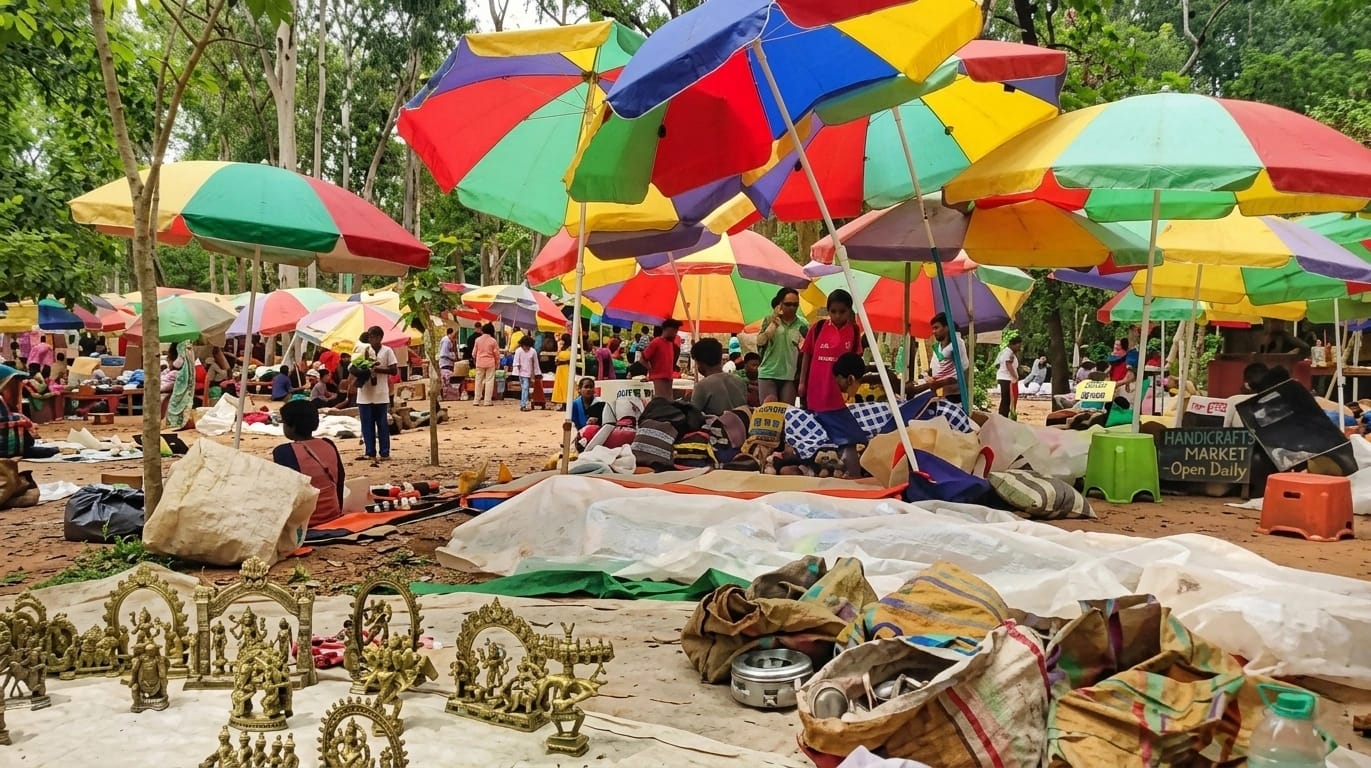
- Poush Mela in December brings folk music, handicrafts and a festive atmosphere
- Basanta Utsav in February or March celebrates spring with colour and Rabindra Sangeet
- Clear skies make it ideal for walking through the open-air campus and nearby villages
- Peak tourist season in the region, so booking your stay early is wise
Santiniketan in Summer: Warm Days for Off-Season Travellers
Santiniketan in summer runs from March to June, with daytime temperatures often climbing to 35°C or higher. It is not the easiest season for long outdoor walks, but it does bring fewer tourists and better rates.
- Early mornings and evenings remain more bearable than the afternoon heat
- Ideal for travellers who prefer quiet lanes over festival crowds
- Light cotton clothing and enough drinking water are essential
- Indoor cultural spots like Kala Bhavan and Rabindra Bhavan Museum stay comfortable
Santiniketan in Monsoon: Lush Greenery and Fewer Crowds
Santiniketan in monsoon, between June and September, transforms the countryside into a deep green landscape. Rainfall is generally moderate, though occasional heavy showers do occur.
- The red soil paths and forest trails look their most vibrant
- Fewer tourists mean a calmer, more personal stay
- Carrying rain gear and checking forecasts is recommended
- Humidity levels can rise, especially in July and August
Why Winter Is Considered the Best Time to Visit Santiniketan
Among all three seasons, winter is most often recommended as the ideal window for a trip, and for good reason. The weather stays cool and dry, the campus and forest trails are easy to explore, and the town’s biggest festivals fall within these months.
- Comfortable daytime temperatures suited to long walks and sightseeing
- Poush Mela and Basanta Utsav bring the region’s culture to life
- Clear skies with little to no rainfall disruption
- Wider choice of local produce, sweets and seasonal Bengali dishes
Festivals and Events That Shape the Best Time to Visit
Many travellers plan their dates around Santiniketan’s cultural calendar rather than the weather alone.
- Poush Mela (December): a harvest fair with folk performances and handicraft stalls
- Basanta Utsav (February-March): a spring festival with music, dance and colour
- Rabindra Jayanti (May): celebrating Tagore’s birth anniversary with recitations and songs
- Durga Puja (September-October): festive decorations across the wider Birbhum region
Packing Tips for Every Season in Santiniketan
- Winter: light woollens for mornings and evenings, comfortable walking shoes
- Summer: breathable cotton clothes, sunscreen and a reusable water bottle
- Monsoon: an umbrella or raincoat, quick-dry footwear and a light jacket
- All seasons: a basic first-aid kit and mosquito repellent are handy additions
Where to Stay During the Best Time to Visit Santiniketan
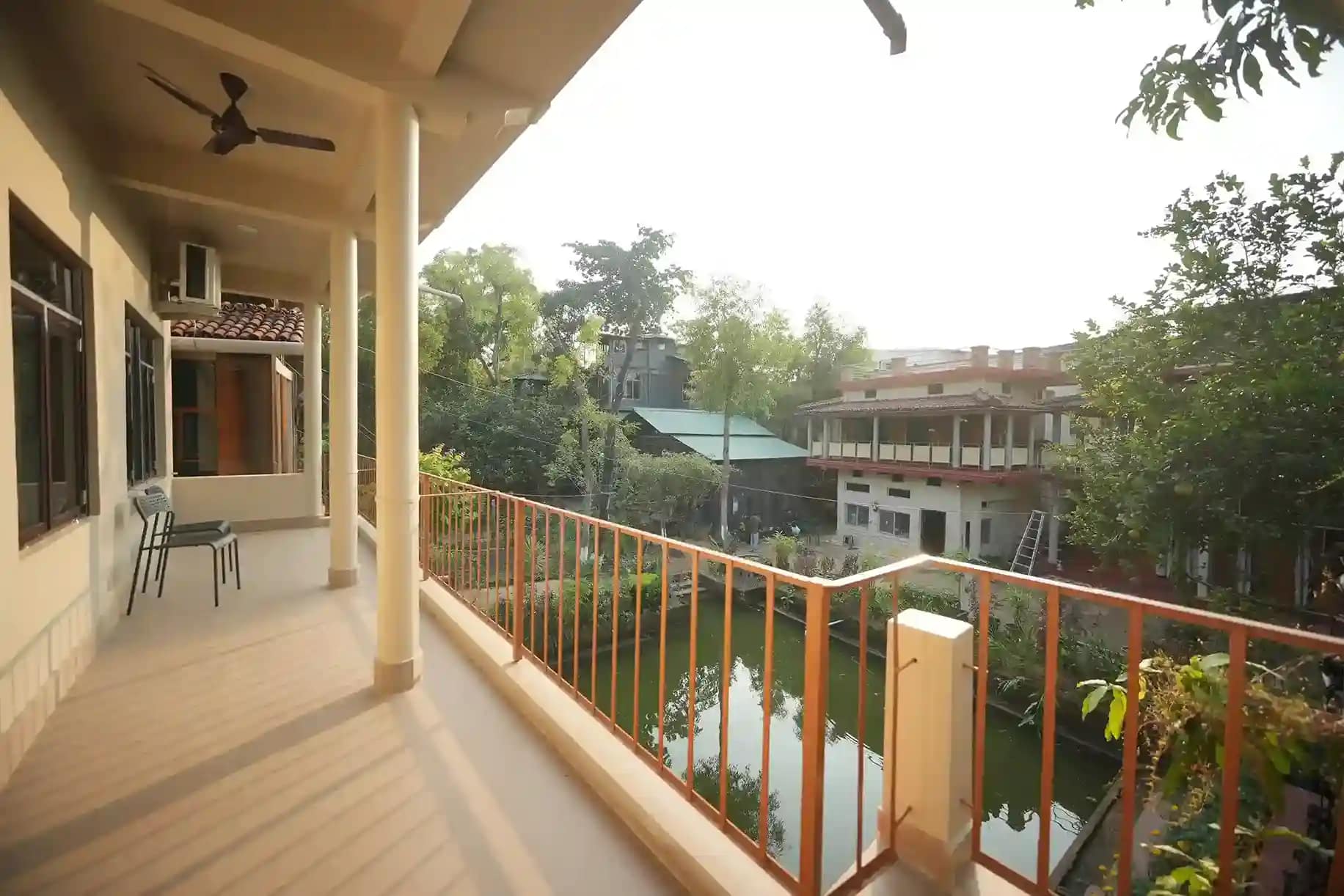
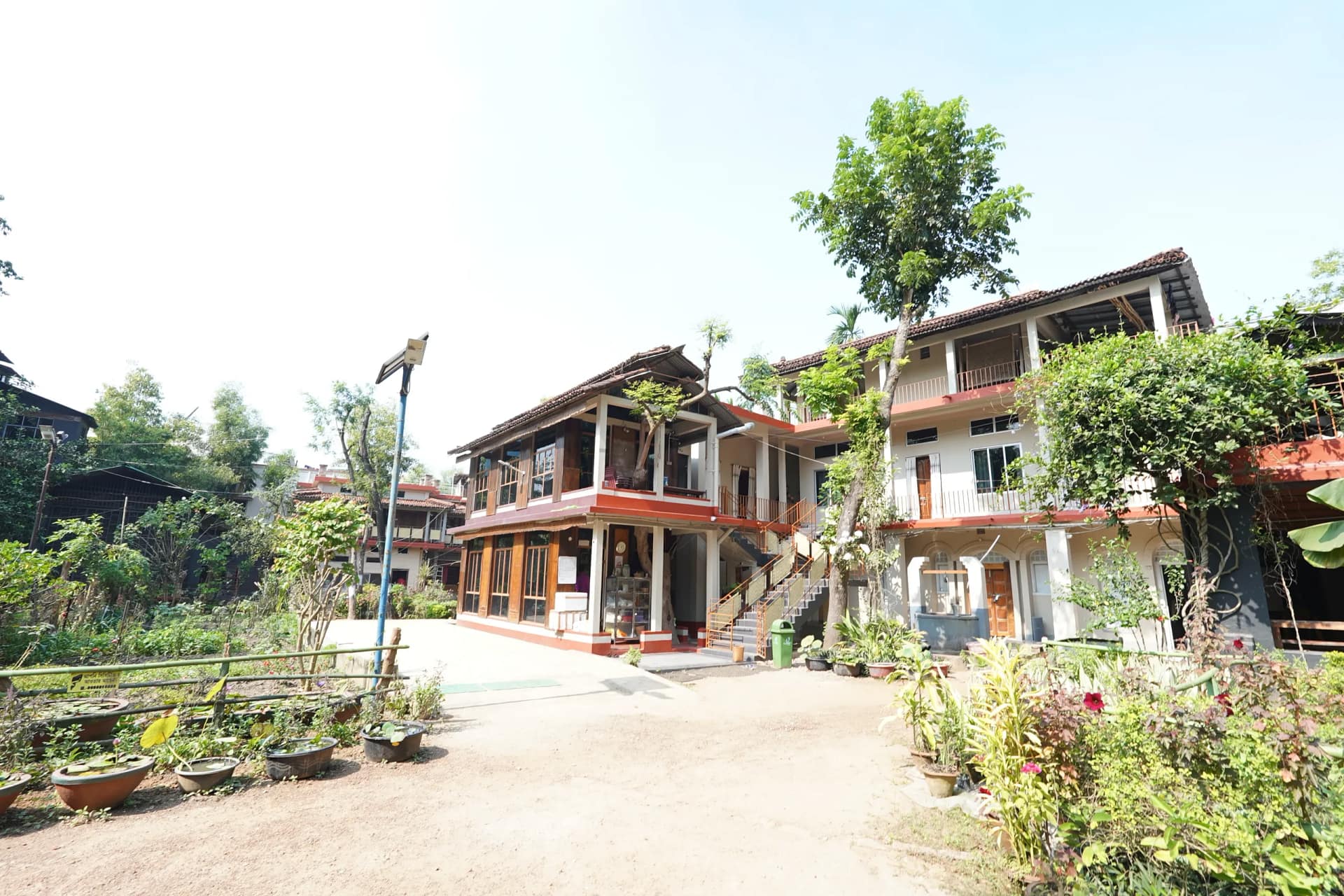
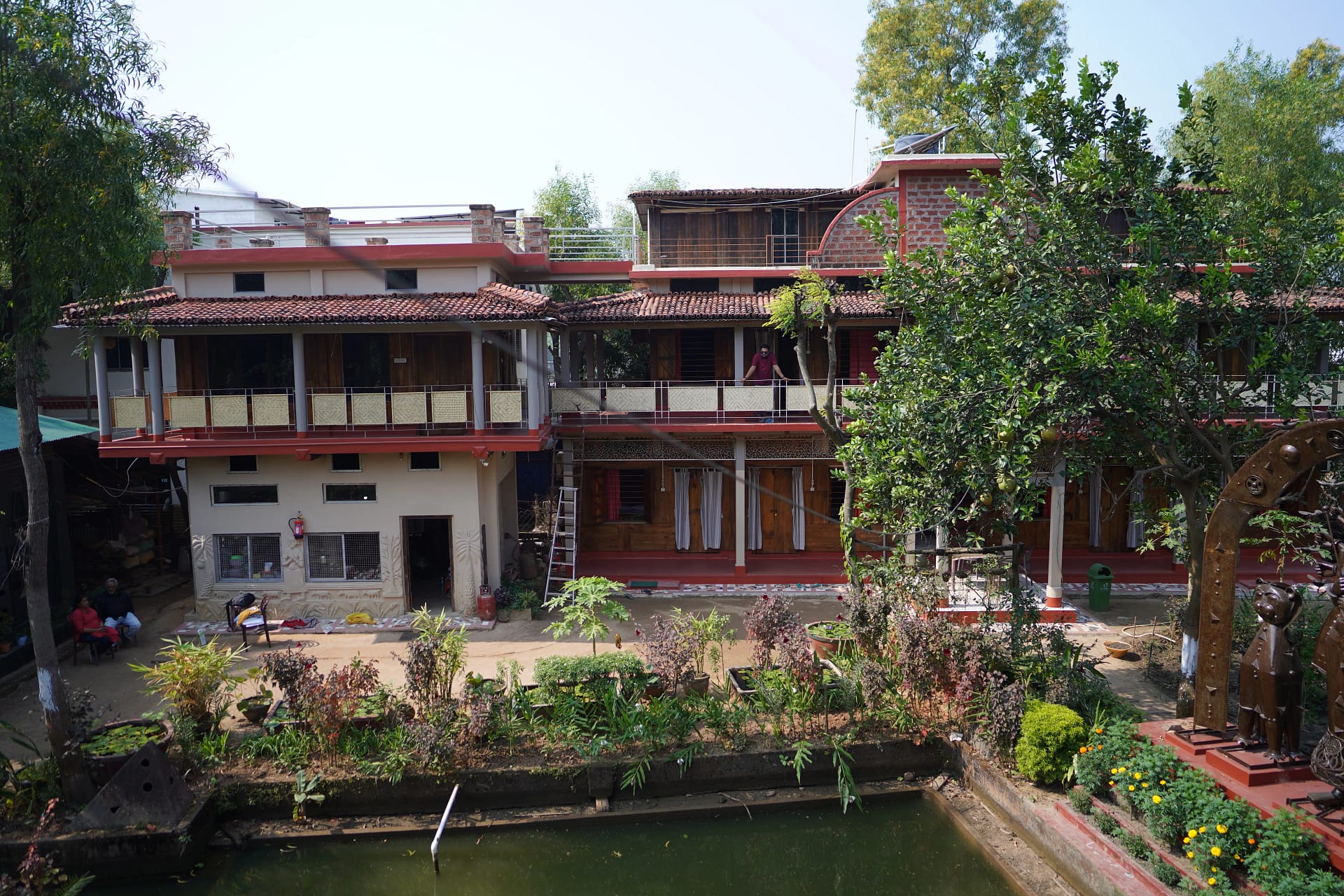
Sonajhuri Atithi Nibas is often mentioned by travellers searching for the best hotel in Santiniketan, though it keeps the warmth of a family homestay rather than a formal hotel. Spacious rooms, home-cooked Bengali meals and a peaceful, green setting make it a comfortable base whichever season you visit.
Get in touch with the team to plan your rooms and travel dates in advance
Conclusion
There is no single wrong season to visit this cultural town, only a season that suits your comfort and interests, as any honest Santiniketan travel guide will admit. For most travellers, winter remains the best time to visit Santiniketan, thanks to its festivals and pleasant weather, while summer and monsoon each offer a quieter, greener side of the region.
Whichever season you choose, booking a comfortable stay such as Sonajhuri Atithi Nibas ensures your trip stays relaxing from start to finish.
Frequently Asked Questions
What is the best time to visit Santiniketan?
Winter, from December to February, is widely considered the best time to visit Santiniketan, thanks to cool weather, festivals like Poush Mela and clear skies.
How hot does Santiniketan get in summer?
Santiniketan in summer can reach temperatures of 35°C to 42°C between March and June, making early mornings and evenings the best time for outdoor plans.
Is monsoon a good time to visit Santiniketan?
Santiniketan in monsoon, from June to September, offers lush green scenery and fewer crowds, though travellers should carry rain gear and check forecasts.
What festivals happen during winter in Santiniketan?
Santiniketan in winter hosts Poush Mela in December and Basanta Utsav in February or March, both known for folk music, dance and Rabindra Sangeet performances.
How many days are enough to explore Santiniketan?
Two to three days are generally enough to cover the university campus, local haats, nearby forests and cultural landmarks comfortably.
Should I avoid visiting Santiniketan in summer?
Summer is not the most comfortable season due to high temperatures, but early mornings, evenings and indoor cultural sites remain enjoyable for visitors.