Few cultural experiences match the rustic charm of the red soil woodlands of Birbhum. When travelers walk into the sunlit clears of Khoai, the rhythmic chime of an Ektara and the golden canopy of trees create an unforgettable rural landscape. At the center of this cultural setting lies Sonajhuri Haat Santiniketan, a bustling open-air gathering where tribal art, traditional handlooms, and indigenous craft traditions flourish together under the open sky.
For visitors staying at nearby boutique homestays, witnessing this forested bazaar is often the highlight of their journey. A leisurely stroll through the market allows you to meet the gifted creators behind Bengal’s treasured folk traditions. Whether you are looking for heritage textiles or handcrafted home decor, this guide explores everything you need to know about the heart of village artistry in Santiniketan.
Sonajhuri Haat Santiniketan: Cultural Heart of Rural Art, Crafts, and Forest Stays
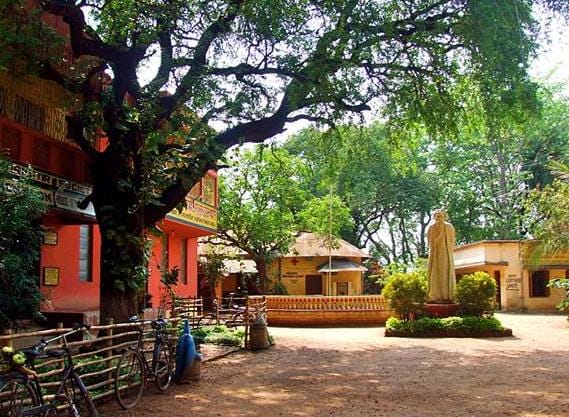
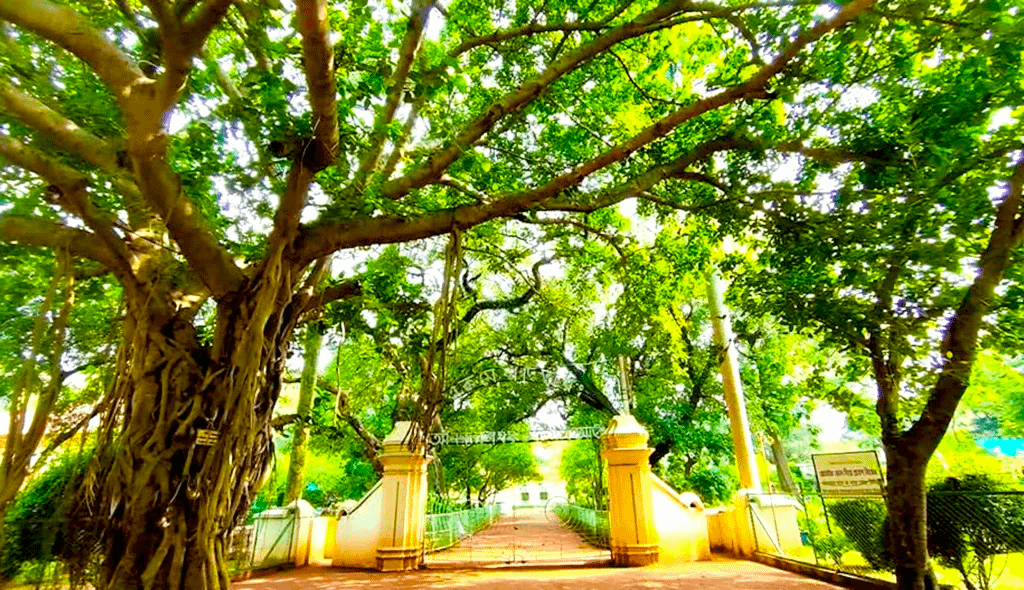
The open-air grounds of Sonajhuri Haat Santiniketan represent the cultural pulse of the red soil country. Sheltered beneath the golden canopy of Sonajhuri trees and bordered by the scenic Khoai ravines, this woodland gathering seamlessly bridges Bengal’s rich artistic traditions, rural shopping, and sustainable tourism.
For travelers visiting Birbhum, a stroll through the forest market offers an unmatched sensory journey:
- Traditional Folk Crafts: Hundreds of village artisans display authentic handloom Kantha embroidery, lost-wax Dokra brass figurines, terracotta home accents, and classic embossed leather accessories directly on woven mats.
- Living Baul Heritage: Strains of the Ektara and Dotara drift through the woodlands as folk singers perform timeless spiritual ballads in shaded clearings.
- Authentic Forest Atmosphere: Unlike commercial town bazaars, trade here unfolds at an unhurried, natural pace accompanied by the aroma of earthen-cup tea and freshly made rural snacks.
- Convenient Accommodation Base: Exploring the haat is best enjoyed when paired with a peaceful retreat at Sonajhuri Atithi Nibas, located right near the forest so you can easily walk to the market without navigating town traffic.
Timings and Atmosphere of Sonajhuri Haat Santiniketan
The history of this forested bazaar traces back to the vision of informal, nature-centered village trade encouraged by Rabindranath Tagore. Historically known as Khoai Boner Annya Haat or the Saturday Haat, the market originally convened only on Saturday afternoons. Today, a vibrant gathering forms every afternoon, reaching its largest and most energetic scale on weekends.
The weekly rhythm begins around midday as village craftspeople arrive from surrounding settlements to spread woven mats beneath the slender trees. Activity peaks in the late afternoon when the slanted sunbeams light up the fallen yellow leaves and red dirt paths. By dusk, as the birds settle into the high branches, the market gently folds up, leaving the forest quiet once again. Visiting during these cooler afternoon hours offers the best balance of pleasant weather and artisan variety.
Guide to Sonajhuri Haat Santiniketan Shopping
Taking part in Sonajhuri Haat Santiniketan shopping feels entirely distinct from conventional city retail. There are no permanent brick stalls or glass windows here; goods are arranged directly on handwoven mats laid across the uneven red earth. This unhurried setting lets visitors admire the intricate details of each craft while conversing directly with the people who designed them.
Textile lovers will find an extensive collection of traditional garments. Handloom cottons, tussar silks, and lightweight linens are decorated with fine needlework that reflects centuries of rural storytelling. Alongside wearable art, home decorators can pick up carved wooden bowls, bamboo craft items, and colorful fabric wall hangings that bring warmth to modern living spaces.
Treasured Sonajhuri Haat Handicrafts
The sheer diversity of Sonajhuri Haat handicrafts reflects the rich creative traditions preserved across the villages of Birbhum. Each handcrafted item carries an authentic story of inherited skill, family tradition and sustainable materials.
Signature Folk Crafts:
- Authentic Kantha Needlework: Local women spend weeks sewing running-stitch motifs depicting village birds, peacocks, lotus flowers, and folk tales across soft cotton and silk fabrics.
- Ancient Dokra Castings: Created through an ancient lost-wax casting technique, these brass artifacts range from tribal musicians and horses to intricate contemporary jewelry pieces.
- Traditional Terracotta Artifacts: Local clay is carefully shaped, etched, and kilned to produce beautiful hanging lamps, tea cups, and earthy bead necklaces.
- Embossed Leather Accessories: Made using the world-famous Santiniketan grain leather technique, these handcrafted wallets, totes, and coin purses feature vegetable-tanned geometric and floral reliefs.
Choosing these genuine crafts rewards travelers with meaningful keepsakes while ensuring traditional folk techniques continue to thrive across future generations.
Exploring the Santiniketan Local Market Culture
The charm of a Santiniketan local market extends far beyond simple buying and selling. It serves as a living cultural crossroad where poetry, music, and community living converge naturally.
As you browse the stalls, the deep resonance of the khol drum and the earthy notes of the dotara drift through the breeze. Groups of wandering Baul and Fakir folk singers sit in circular clearings under broad banyan and Sonajhuri trees. Visitors often gather around to listen to philosophical ballads celebrating life, harmony, and humanity.
A trip to the haat is equally celebrated for its authentic street food. Small stalls offer puffed rice snacks seasoned with mustard oil, warm roasted peanuts, ginger tea served in earthen clay cups, and freshly fried telebhaja. This combination of sights, sounds, and flavors gives the gathering its captivating rural appeal.
Supporting Local Artisans in Santiniketan
The true soul of these forested bazaars lies with the dedicated local artisans in Santiniketan. Generations of tribal families and rural women find vital economic independence and artistic pride by selling their handiwork directly to appreciative visitors.
When shopping, it is best to practice fair patronization. While polite bargaining is customary in rural markets, recognizing the days of painstaking labor poured into an authentic piece of Kantha or hand-cast Dokra helps sustain these historic communities. Purchasing directly from independent creators ensures that the value of their craft returns directly to their village workshops.
Beyond the forest paths of Sonajhuri Haat Santiniketan, travelers can explore nearby attractions such as the Amar Kutir craft society. Located along the Kopai riverbanks, Amar Kutir has trained rural craftsmen for decades, pioneering cooperative batik printing, bamboo carving, and leather craft development.
Experiencing Comfort at Sonajhuri Atithi Nibas
Exploring rustic village markets and forest paths is deeply fulfilling, but it requires a tranquil and welcoming sanctuary where you can recharge. Travelers seeking verified hotels near Sonajhuri Haat appreciate accommodations that offer the quiet charm of nature without sacrificing modern conveniences.
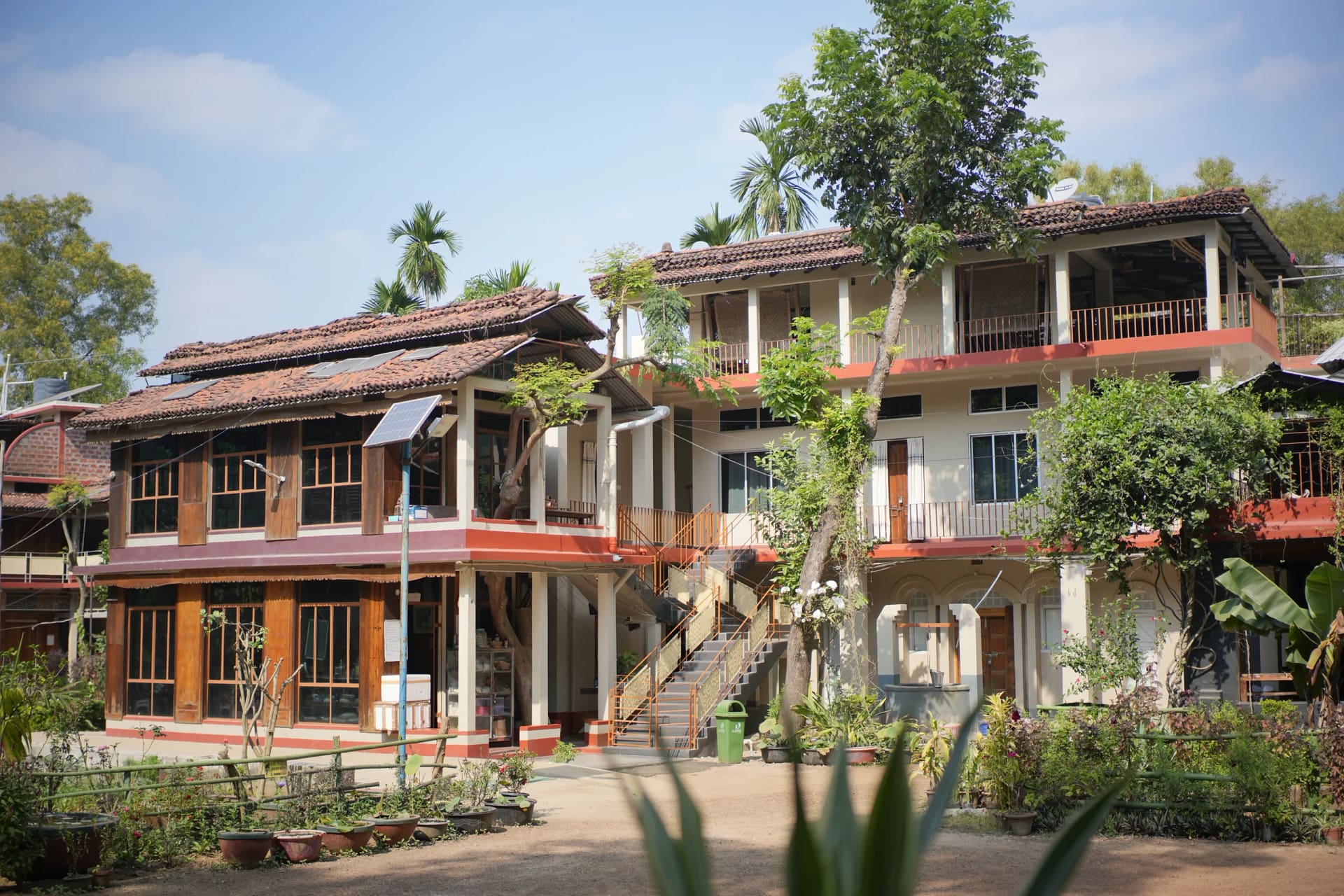
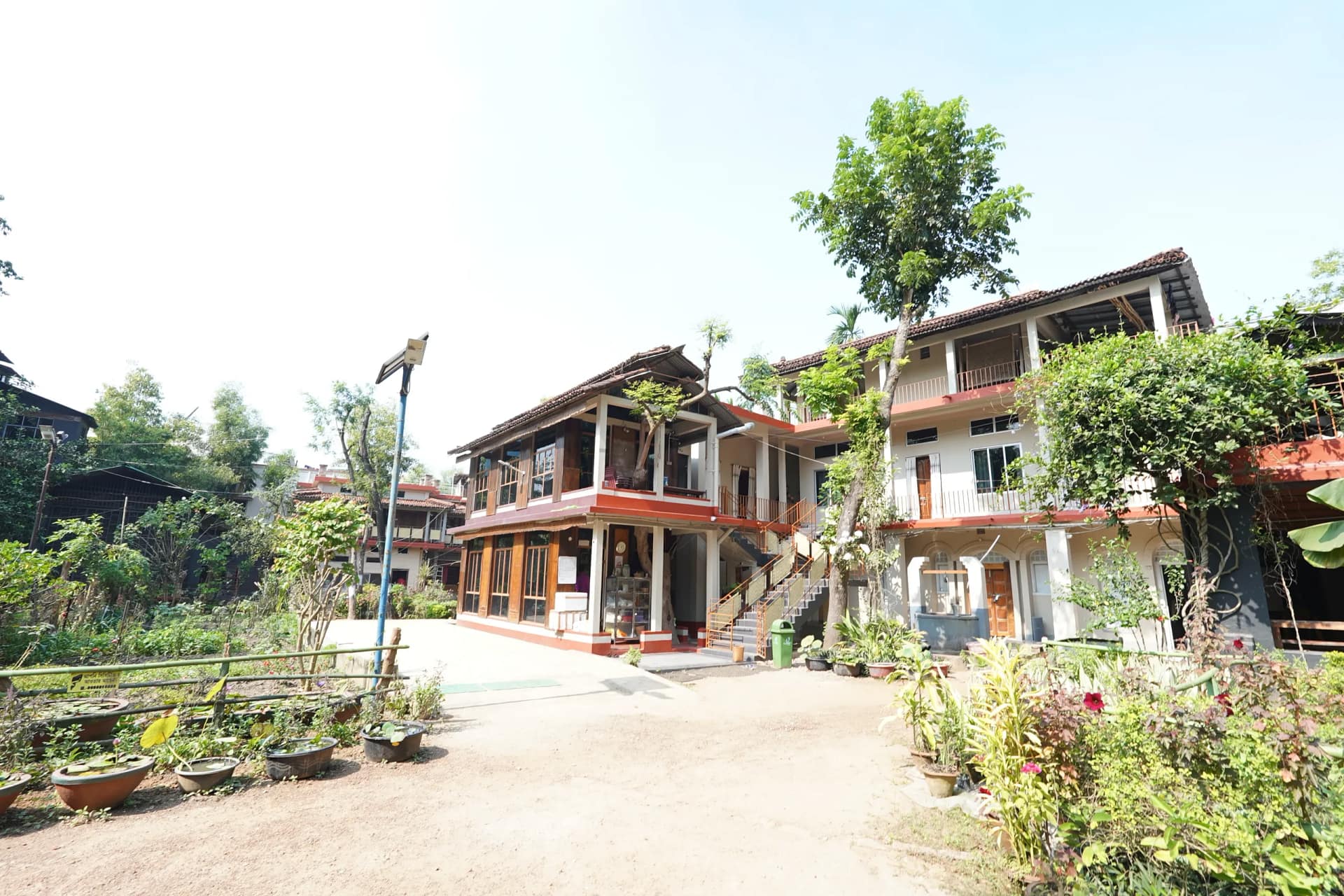
Positioned close to the woodlands, Sonajhuri Atithi Nibas provides an authentic homestay experience for families, solo explorers, and culture enthusiasts. Guests can walk straight into the forested lanes within minutes, bypassing congested town traffic and enjoying the early morning tranquility of the red soil.
The property features spacious, airy rooms, manicured garden courtyards, and warm hospitality that reflects classical Bengali traditions. After an invigorating afternoon exploring the open-air bazaar, guests can return to freshly brewed evening tea and freshly prepared homestyle Bengali meals. When planning a relaxing stay near Sonajhuri Haat Santiniketan, this peaceful retreat offers the ideal balance of woodland serenity and effortless market connectivity.
Plan Your Cultural Getaway to Santiniketan
Leave behind the noisy rush of urban living and immerse your senses in the timeless folk rhythms of Birbhum. Stroll through sunlit forest paths, discover exquisite handloom traditions, and enjoy authentic regional meals in complete comfort.
Reserve your family rooms directly through the official Sonajhuri Atithi Nibas Website to secure your tranquil weekend getaway.
Conclusion
A visit to Sonajhuri Haat Santiniketan connects travellers directly with the artistic pulse of rural Bengal. From browsing Kantha embroidery under ancient trees to listening to Baul melodies beside the red ravines, every moment spent here enriches the spirit. Pairing this cultural adventure with a restful stay at Sonajhuri Atithi Nibas ensures your trip is not only memorable and inspiring, but deeply restorative for the whole family.
Frequently Asked Questions
What are the main operating days for Sonajhuri Haat Santiniketan?
While a smaller market gathers every afternoon, the main Sonajhuri Haat Santiniketan takes place on Saturday and Sunday from midday until sunset.
What are the best items for Sonajhuri Haat Santiniketan shopping?
Popular purchases include hand-embroidered Kantha sarees, authentic brass Dokra sculptures, terracotta jewelry, embossed leather handbags, and handcrafted wooden artifacts.
Where is Sonajhuri Haat located in Santiniketan?
The haat is held amidst the Khoai forest along the Kopai river, approximately 5.5 kilometers from Bolpur railway station.
How do travelers support local artisans in Santiniketan?
Visitors support artisans by purchasing directly from makers at the haat and respecting the time and hand labor involved in traditional crafts.
Are online digital payments accepted at the market?
While some sellers accept mobile UPI payments, carrying physical cash is strongly recommended due to intermittent mobile network reception in the forest.
Where can visitors find a comfortable stay near Sonajhuri Haat Santiniketan?
Sonajhuri Atithi Nibas provides peaceful, family-friendly accommodations and traditional dining located just minutes away from the Sonajhuri forest trails.