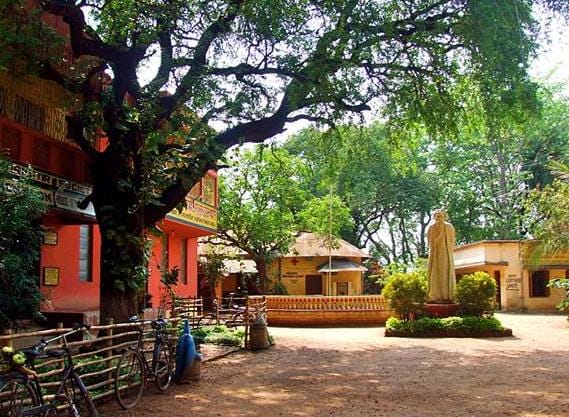
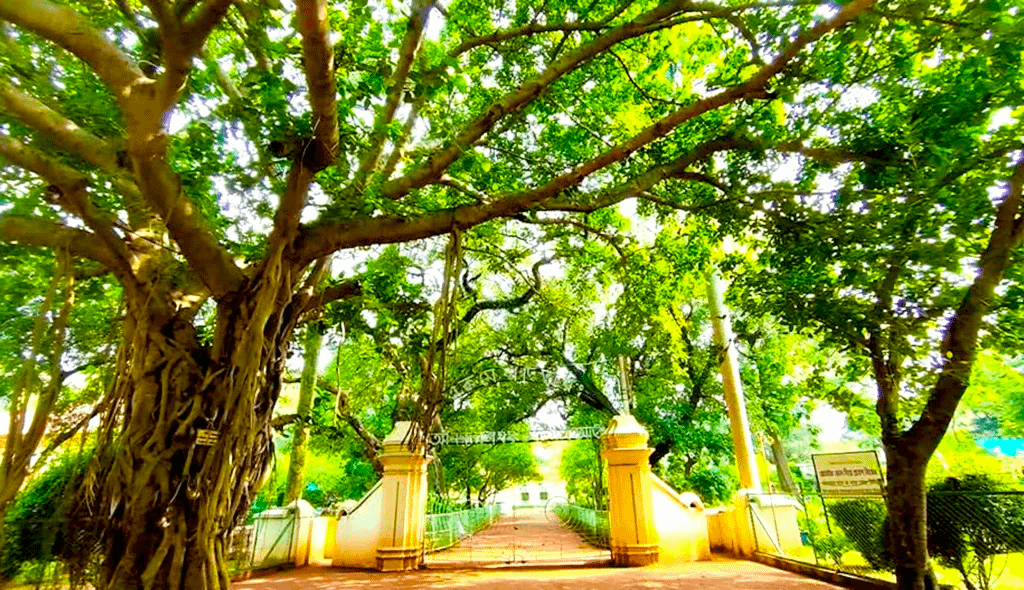
A visit to Visva-Bharati University in Santiniketan is more than a campus tour. It is a journey into Rabindranath Tagore’s ideas about education, art, nature and human connection. Set within the cultural landscape of Santiniketan, the university continues to shape the identity of this historic town.
For first-time visitors, however, planning a visit can be confusing. The university remains a working educational institution, and visitor access is not the same as visiting an ordinary tourist attraction.
This Visva-Bharati University visitor guide covers the university’s history, important places, current visitor arrangements, Heritage Walk, practical travel tips, nearby attractions and a simple itinerary.
Visva-Bharati University in Santiniketan: History and Legacy
The story of Visva-Bharati University in Santiniketan began before the university itself was established.
In 1863, Maharshi Debendranath Tagore established a retreat at Santiniketan. Rabindranath Tagore later developed the educational vision that transformed the area into a distinctive centre of learning. His school, Brahmacharyasrama, began functioning in 1901 with an emphasis on learning in close contact with nature.
Visva-Bharati was founded by Rabindranath Tagore in 1921. In 1951, an Act of Parliament declared it a Central University and an institution of national importance.
Tagore’s educational approach was different from conventional classroom learning. Students learned through direct contact with nature, while music, painting, literature, drama and other creative practices formed an important part of education.
That philosophy remains central to understanding the campus today.
What Is Visva-Bharati University Famous For
The question what is Visva-Bharati University famous for has several answers.
It is famous for Tagore’s educational philosophy, its contribution to Indian art and culture, its open-air learning tradition and its role in Santiniketan’s cultural identity.
The university is also closely associated with institutions such as Kala Bhavana, Sangeet Bhavana and Rabindra Bhavana. Its cultural landscape includes buildings, gardens, artworks and spaces connected with Tagore and generations of artists and educators.
Santiniketan was inscribed on the UNESCO World Heritage List in 2023. The designation recognises its cultural landscape and the continuing relationship between its built heritage, education, art and Tagore’s vision.
For visitors, this means the university should not be viewed simply as a collection of old buildings. Its importance lies in the relationship between education, culture, architecture and nature.
Important Places to Explore Around the University
A well-planned visit to Visva-Bharati University in Santiniketan should focus on the historic and cultural areas that give the campus its character.
Rabindra Bhavana and the Museum
Rabindra Bhavana is one of the most important places for anyone interested in Tagore.
The institution preserves manuscripts, correspondence, paintings, photographs, personal objects and other materials associated with the poet. Its museum collection includes thousands of objects connected with Tagore’s life and work.
The museum is particularly valuable for visitors who want context before exploring Santiniketan. Instead of seeing Tagore only as a literary figure, visitors can understand his wider interests in education, art, music and international cultural exchange.
Uttarayana Complex
The Uttarayana Complex is associated with the residences used by Tagore and his family.
The complex includes five houses connected with Tagore’s life. Their architecture, interiors and objects provide an intimate glimpse into the environment in which he lived and worked.
This is one of the places where a guided or properly organised visit can add considerable value.
Upasana Griha
Upasana Griha is one of Santiniketan’s most recognisable heritage structures.
The glass-sided prayer hall reflects the inclusive spiritual atmosphere associated with Tagore’s Santiniketan. It is also included on the university’s current Heritage Walk route.
Visitors should remember that this is a heritage and spiritual space. Quiet behaviour and respect for the surroundings are important.
Chhatimtala
Chhatimtala holds a special place in the history of Santiniketan. It is connected with Maharshi Debendranath Tagore and the early development of the ashrama.
The site also forms part of the official Heritage Walk route, along with several other historically significant spaces.
Kala Bhavana and Sangeet Bhavana
The artistic character of Santiniketan cannot be understood without mentioning Kala Bhavana and Sangeet Bhavana.
Kala Bhavana has played an important role in Indian art education, while Sangeet Bhavana represents the university’s strong connection with music, dance and performance.
Visitors should remember that these are active academic institutions. Not every academic building or working area should be treated as an unrestricted tourist attraction.
Current Visitor Access and Heritage Walk
This is one of the most important parts of a Visva-Bharati University visitor guide.
Visva-Bharati is a functioning Central University. Therefore, tourists should not assume that they can freely enter every part of the academic campus whenever they wish.
The university currently lists an organised Heritage Walk through the Ashrama trail. The official Heritage Walk page lists Sunday sessions at 10:00 AM, 11:00 AM, 12:00 PM, 2:30 PM and 3:30 PM. Language availability varies by session, with Bengali, Hindi and English options listed by the university.
The route includes several significant locations, including:
- Chhatimtala
- Bokulbithi
- Patha-Bhavana
- Kala-related heritage areas
- Santiniketan Griha
- Upasana Griha
- Amrakunja
- Hindi Bhavana
- Sinha Sadan and other heritage points
The exact visitor arrangement can change. Visva-Bharati has issued notices modifying Heritage Walk and visitor arrangements in recent years. Therefore, check the official university website immediately before your trip rather than relying on an old travel blog.
Visva-Bharati University Opening Hours and Visitor Planning
There is no single opening time that should be applied to every part of the university.
The Heritage Walk has its own schedule, while Rabindra Bhavana and other university-managed spaces may have separate visitor arrangements.
This distinction is important because many online travel pages continue to publish older timings. Current official information should take priority.
For example, Visva-Bharati’s official Heritage Walk page currently lists five Sunday sessions. The university has also published visitor-related notices and temporary closures when required.
Before travelling, check:
- Heritage Walk schedule: Confirm the current day and time.
- Museum access: Verify whether Rabindra Bhavana is open on your chosen date.
- Temporary restrictions: Check recent university notices.
- Holiday changes: Academic vacations and university events can affect visitor access.
- Photography rules: Follow the instructions given at individual heritage and museum spaces.
This simple check can prevent one of the most common Santiniketan travel mistakes: reaching the campus without confirming access.
Best Time to Visit Visva-Bharati University in Santiniketan
The most comfortable period for exploring Santiniketan is generally during the cooler months.
From late autumn through winter, the weather is more suitable for walking and outdoor sightseeing. The red-earth landscape, open spaces and tree-lined paths are especially pleasant during this period.
Festival seasons can make Santiniketan particularly lively. Poush Mela and Basanta Utsav attract large numbers of visitors, although crowd levels can be considerably higher.
For travellers who prefer a quieter experience, visiting outside major festival periods can be more comfortable.
Whatever season you choose, start outdoor sightseeing early when possible. Santiniketan’s attractions are better enjoyed without rushing from one location to another.
How to Reach Visva-Bharati University
Santiniketan is commonly accessed through Bolpur-Shantiniketan railway station.
From the station, visitors can use local transport such as toto or e-rickshaw services to reach different parts of Santiniketan. The university and its heritage attractions are spread across a wider area, so a local transport plan can save time.
If you are travelling from Kolkata, train travel is a practical option for many visitors. Those travelling by road can also reach Bolpur by car.
Once in Santiniketan, avoid trying to cover the university, markets and nature attractions on foot in a single day. A short local transport ride between areas can make the itinerary much easier.
A Simple One-Day Visva-Bharati University Itinerary
A one-day plan can work if your main purpose is to experience the university and a few nearby attractions.
Morning: Heritage and Tagore
Begin with the Heritage Walk if your chosen date matches the official schedule.
Allow enough time for the historic Ashrama area rather than rushing through each stop. Follow the guide’s instructions because some areas remain part of a working university environment.
Midday: Rabindra Bhavana
Continue towards Rabindra Bhavana and its museum when visitor access is available.
Spend time understanding Tagore’s life and work. This makes the later sightseeing around Santiniketan much more meaningful.
Afternoon: Local Crafts and Nature
After lunch, move towards Sonajhuri and the surrounding Khoai landscape.
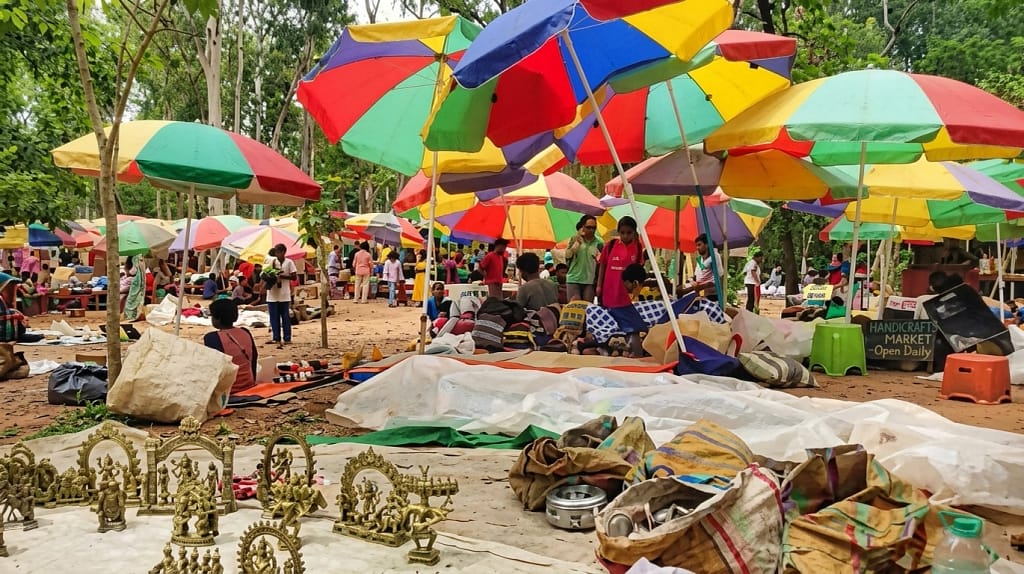
If your visit coincides with the market’s operating day, Sonajhuri Haat in Santiniketan is a natural addition to the itinerary. The market is known for local handicrafts and folk-cultural experiences. West Bengal Tourism also highlights the Sonajhuri Haat as a major local attraction.
Evening: Slow Down
Keep your final evening relaxed.
A walk around the quieter parts of the area, a Bengali meal or time at your accommodation can be more enjoyable than adding another distant attraction.
Nearby Attractions Around Visva-Bharati University
The university is only one part of the Santiniketan experience.
Visitors with additional time can explore the wider cultural and natural landscape of Bolpur.
Kopai River in Santiniketan
The Kopai River in Santiniketan is associated with the natural landscape that has long inspired the area’s literary and artistic identity.
It is a good choice for travellers who want a quieter experience after spending time around heritage attractions. Avoid treating the river as a major urban attraction. Its appeal lies in the surrounding landscape and slower pace.
Ballavpur Wildlife Sanctuary
The Ballavpur Wildlife Sanctuary offers a different experience from the university campus.
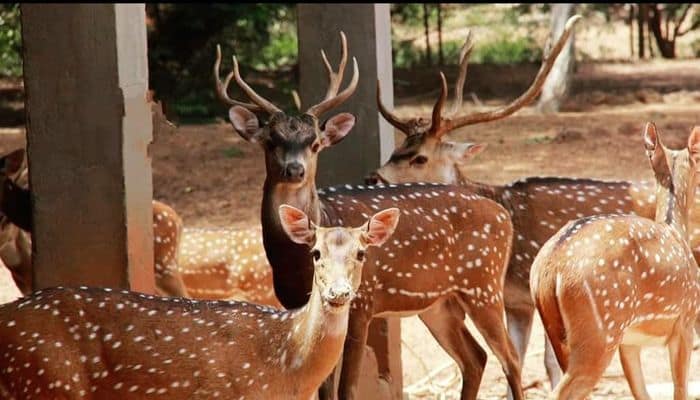
West Bengal Tourism describes the protected area as a habitat for spotted deer, blackbuck and other wildlife, with watchtowers and paths for visitors.
It can be a useful addition for families and nature lovers who want to balance heritage sightseeing with greenery.
Amar Kutir in Santiniketan
Amar Kutir in Santiniketan is closely connected with rural crafts and handicrafts.
West Bengal Tourism notes its association with cottage industries and local craft traditions. Visitors can explore handmade products while gaining a better understanding of the region’s artistic economy.
It fits naturally into a day that combines Visva-Bharati, Sonajhuri and local handicrafts.
Sonajhuri Haat in Santiniketan
For a more informal cultural experience, Sonajhuri Haat in Santiniketan is worth considering.
The open-air market brings together local crafts, handmade products and folk-cultural elements. Timing can vary, so check local arrangements before planning your visit.
Where to Stay While Exploring Visva-Bharati
Choosing where to stay depends on how you want to experience Santiniketan.
A centrally located property can suit visitors who want quick access to town. A nature-focused stay can be more suitable for travellers who want quiet evenings and easy access to Sonajhuri and the surrounding landscape.
For families, look for a family hotel in Santiniketan with suitable room arrangements, comfortable access and food options that work for everyone.
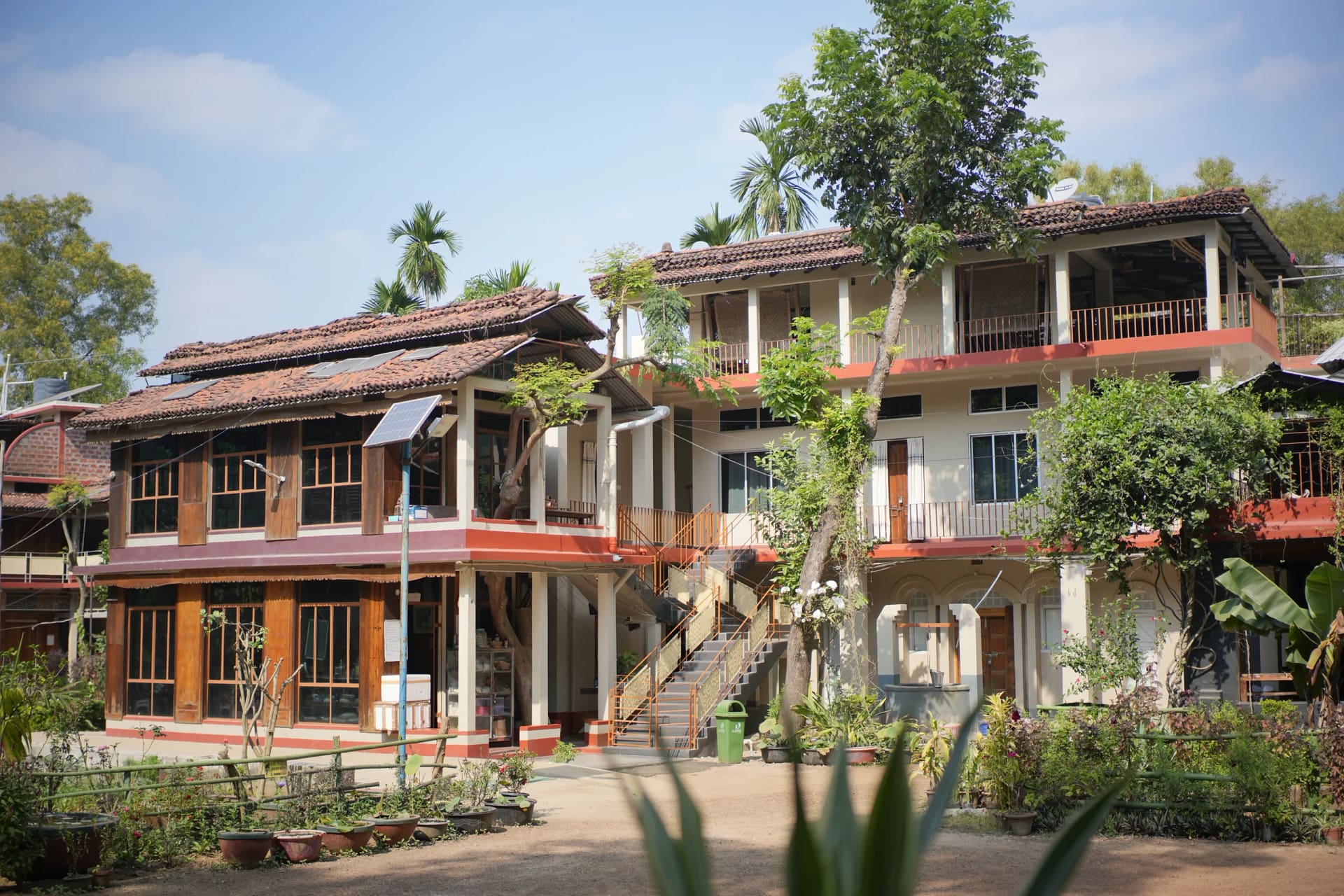
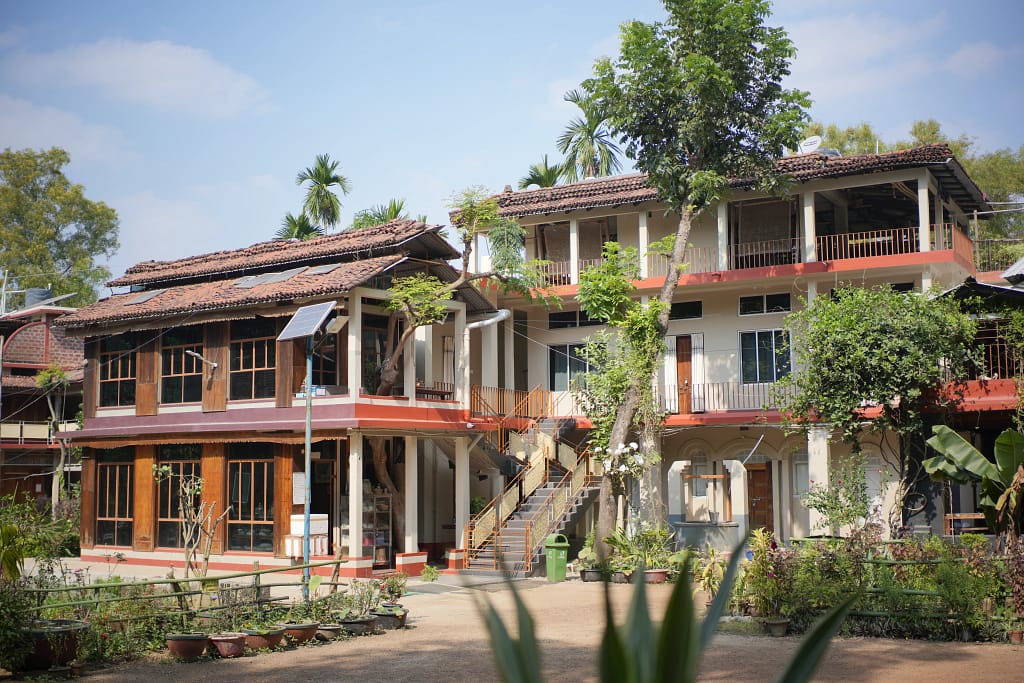
Sonajhuri Atithi Nibas is one potential base for travellers who prefer a quieter natural setting. The property is located on Amar Kutir Road, near the Sonajhuri Forest area, and offers rooms suited to couples, families and groups. Its location also makes it practical for exploring nearby cultural and nature attractions.
The aim is not to spend the entire trip inside the accommodation. A good base should make it easier to explore Santiniketan and return to a peaceful setting afterwards.
Practical Tips for Visiting Visva-Bharati University
A little preparation can make the experience much smoother.
- Check the official website before travelling. Visitor rules and Heritage Walk arrangements can change.
- Plan around the Heritage Walk. Do not build your entire itinerary around old timings found on travel websites.
- Wear comfortable footwear. The heritage experience involves walking.
- Respect university spaces. Academic areas are not simply tourist zones.
- Carry water and sun protection. Outdoor walking can become tiring during warmer months.
- Keep your schedule flexible. Local transport, weather and visitor restrictions can affect timing.
- Allow time for nearby attractions. Santiniketan is best experienced as a cultural landscape, not as a single campus.
Why Visva-Bharati University Remains Central to Santiniketan
Understanding Visva-Bharati University history helps explain why Santiniketan feels different from many other tourist destinations in West Bengal.
Tagore did not imagine education as something separated from nature and culture. His Santiniketan experiment brought learning, creativity and everyday life closer together.
That philosophy shaped the architecture, landscape and cultural practices that visitors experience today.
The UNESCO recognition has further strengthened the international importance of Santiniketan. Yet the destination remains most meaningful when experienced slowly.
Walk beneath the trees. Observe the architecture. Visit the museum. Listen to local music. Explore crafts. Give yourself time to understand the place.
That is a far richer experience than simply taking photographs at the university gate.
Plan Your Santiniketan Stay With Sonajhuri Atithi Nibas
After a day of exploring Tagore’s Santiniketan, returning to a peaceful natural setting can make the journey more comfortable.
Sonajhuri Atithi Nibas offers a calm stay around the Sonajhuri Forest area, with comfortable rooms, Bengali food and a location suited to exploring the cultural and natural attractions of Bolpur.
Plan your Santiniketan visit, explore its heritage at your own pace, and choose a stay that keeps you close to the landscape that makes the destination special.
Conclusion
A visit to Visva-Bharati University in Santiniketan offers much more than a conventional sightseeing experience. Its history connects Maharshi Debendranath Tagore, Rabindranath Tagore, experimental education, Indian art and a unique relationship with nature.
For first-time visitors, the most important step is to check current access rules and Heritage Walk timings before travelling. The university remains a working institution, and visitor arrangements can change.
Combine the university with Rabindra Bhavana, Uttarayana, Sonajhuri, local crafts and nearby natural attractions to experience Santiniketan more completely.
Whether you are travelling as a couple, with friends or looking for a family hotel in Santiniketan, give yourself enough time to slow down. Santiniketan is not a destination to rush through. It is a place to experience.
Frequently Asked Questions
1.Is Visva-Bharati University open to tourists?
Yes, visitors can access designated heritage experiences, but the working university campus is not an unrestricted tourist attraction. The current Heritage Walk schedule should be checked on the official Visva-Bharati website before visiting.
2.What is Visva-Bharati University famous for?
It is famous for Rabindranath Tagore’s educational philosophy, its contribution to Indian art and culture, open-air learning traditions and the heritage landscape of Santiniketan, now part of a UNESCO World Heritage Site.
3.What is the current Heritage Walk timing?
The official Heritage Walk page currently lists Sunday sessions at 10 AM, 11 AM, 12 PM, 2:30 PM and 3:30 PM. Timings can change, so verify the official schedule before travelling.
4.Is Rabindra Bhavana open to visitors?
Rabindra Bhavana includes a museum dedicated to Tagore’s life and work and receives visitors. However, opening arrangements can change due to holidays, events or university notices. Check current information before your visit.
5.How long is enough to explore Visva-Bharati?
A dedicated half-day can cover major heritage experiences if access is available. A full day is better if you also want to visit Rabindra Bhavana, Sonajhuri and nearby attractions without rushing.
6.Is there a family hotel in Santiniketan near the university?
Yes, Santiniketan has accommodation suited to families. When choosing a family hotel in Santiniketan, consider room size, accessibility, food, location and how easily you can reach the attractions on your itinerary.