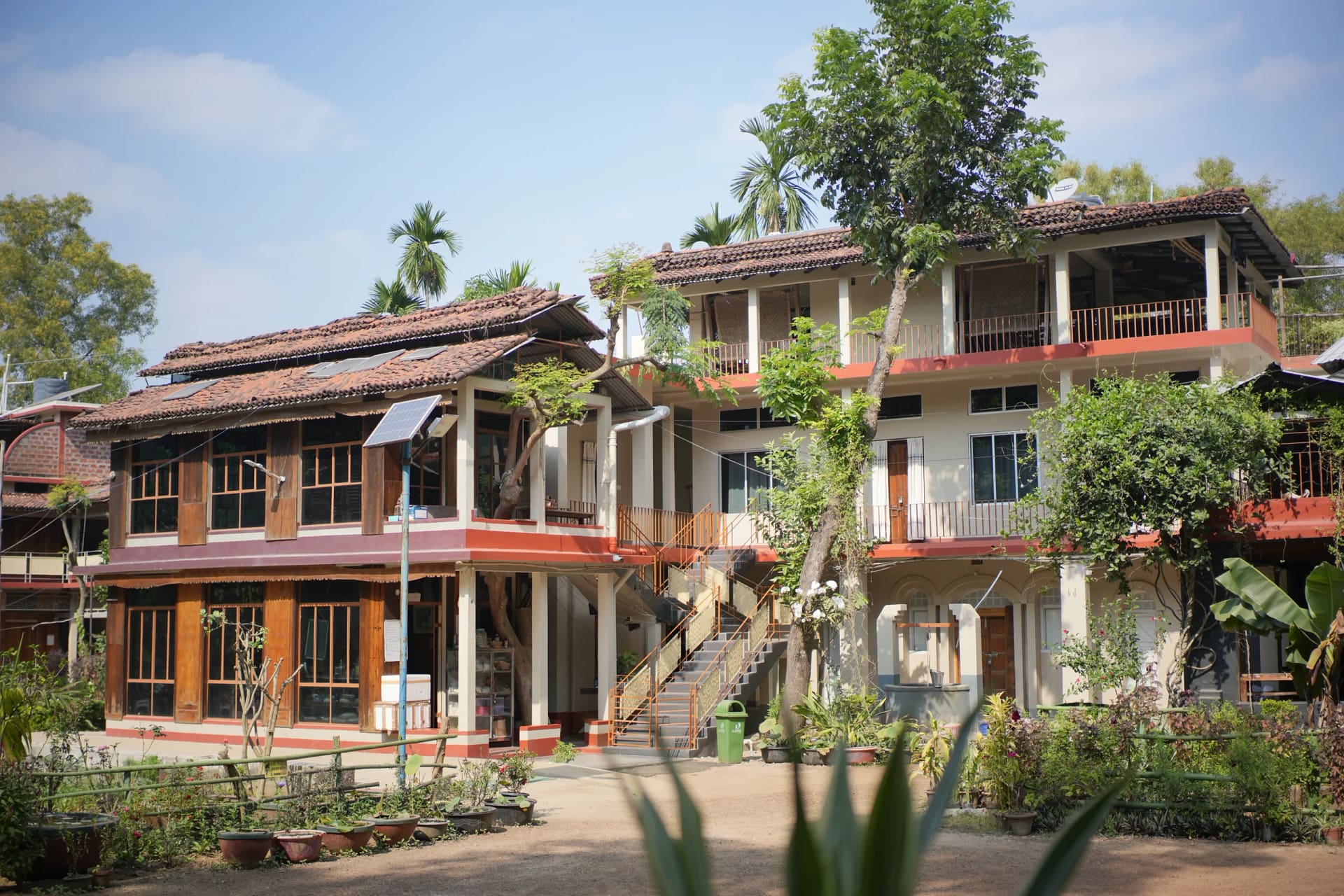
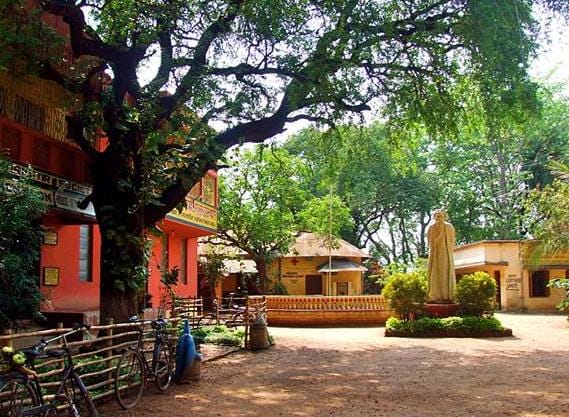
Amar Kutir in Santiniketan is more than a place to shop for handicrafts. It is a cultural and rural-development institution with roots in the freedom movement and a long association with traditional Bengali craftsmanship.
Located in the Ballavpur-Sriniketan area near Santiniketan, Amar Kutir brings together handmade textiles, leather goods, Kantha work, Dokra, bamboo products, home décor and other crafts made by rural artisans. Its present-day work focuses on preserving craft traditions while supporting artisan livelihoods.
For first-time visitors, this Amar Kutir visiting guide covers its history, handicrafts, things to see, shopping tips, nearby attractions and practical planning advice.
Amar Kutir in Santiniketan: A Story of Freedom and Rural Craft
The Amar Kutir history is closely connected with India’s freedom movement and the idea of self-reliant rural communities.
Amar Kutir was established in the 1920s by Sushen Mukherjee, a freedom activist. Historical accounts describe it as a place that provided refuge to revolutionaries during the independence movement. Its early activities included crafts such as handloom weaving, block printing and leather work.
The institution later evolved beyond its early political role. After independence, Amar Kutir developed into a cooperative focused on rural handicrafts and livelihoods. The Amar Kutir Society for Rural Development was formally registered in 1978.
This history is important because Amar Kutir is not simply a souvenir shop. Its identity is connected with craft, community, rural employment and the preservation of traditional skills.
Amar Kutir and Santiniketan’s Rural Reconstruction Legacy
Visitors sometimes assume that Amar Kutir itself was founded by Rabindranath Tagore. That is not accurate.
Tagore established Sriniketan’s Institute of Rural Reconstruction in 1922 and developed a wider vision of rural education, craft and self-reliance. Amar Kutir emerged separately under Sushen Mukherjee, although it developed within the same broader cultural landscape of rural reconstruction and indigenous crafts.
Understanding this distinction makes an Amar Kutir visiting guide more historically useful. It allows visitors to appreciate both institutions without merging their separate histories.
Amar Kutir Handicrafts and Artisan Traditions
The biggest attraction for many visitors is the range of Amar Kutir handicrafts.
The official Amar Kutir website currently presents collections covering leather, Kantha and handloom textiles, Dokra, bamboo and cane, wood, home décor and other handcrafted products. The organisation describes its products as being made by rural artisans using traditional techniques.
The craft tradition is not limited to one material. Different workshops and artisan groups contribute to a wider collection.
Kantha Stitch and Handloom
Kantha is one of the crafts most closely associated with the wider Santiniketan region.
Traditional Kantha embroidery uses decorative stitching on fabric. At Amar Kutir, visitors can find Kantha-based sarees, dupattas, stoles, clothing and other textile products. The current Amar Kutir collection also includes Kantha-stitched lifestyle and home items.
Each piece can vary in colour, pattern and stitching. That variation is part of the appeal of handmade craft.
Leather Craft
Leather is another important part of the Amar Kutir craft tradition.
The current collection includes handmade leather bags, wallets, purses, spectacle cases and other accessories. Amar Kutir describes its leather products as handcrafted by artisans using traditional methods.
For visitors searching specifically for Santiniketan leather, Amar Kutir can be an interesting place to compare designs and craftsmanship in person.
Dokra and Metal Craft
Dokra is a traditional lost-wax metal-casting craft found in several parts of eastern India.
Amar Kutir currently features Dokra figurines, decorative pieces and other metal craft products. The official site highlights individually crafted Dokra pieces made by artisans.
These pieces are often chosen as gifts because they are compact and carry a strong connection with Bengal’s folk-art traditions.
Bamboo, Cane, Wood and Other Crafts
Amar Kutir’s present-day collection also extends to bamboo, cane, wood, handmade paper, wrought iron and other craft forms. Its official catalogue includes both traditional products and contemporary utility items.
This combination makes the shopping experience more varied. You can find something decorative, practical or suitable as a small gift.
Things to See at Amar Kutir
The things to see at Amar Kutir go beyond shelves of handicrafts.
The surrounding setting is part of the experience. Amar Kutir lies in the Ballavpur-Sriniketan area, close to the Kopai landscape and other cultural attractions around Santiniketan. The official Amar Kutir address places its showroom in Ballavpur, Sriniketan, Birbhum.
The Amar Kutir Showroom
The showroom is the main place to explore the range of crafts.
Visitors can browse textiles, leather products, Dokra, home décor, bamboo products and other handmade goods. The official site currently lists the showroom as open throughout the year, with working hours of 10 AM to 7 PM from Monday to Sunday.
However, opening arrangements can change during special occasions or operational updates. Checking the official Amar Kutir information before travelling is the safest approach.
The Craft Atmosphere
One of the best things about visiting Amar Kutir is seeing how different craft traditions come together in one place.
Instead of focusing only on buying something, take time to look at the materials, patterns and finishing. Handmade goods naturally show small variations. Those differences are often evidence of individual craftsmanship rather than flaws.
The Rural Setting
Amar Kutir’s location adds to its appeal.
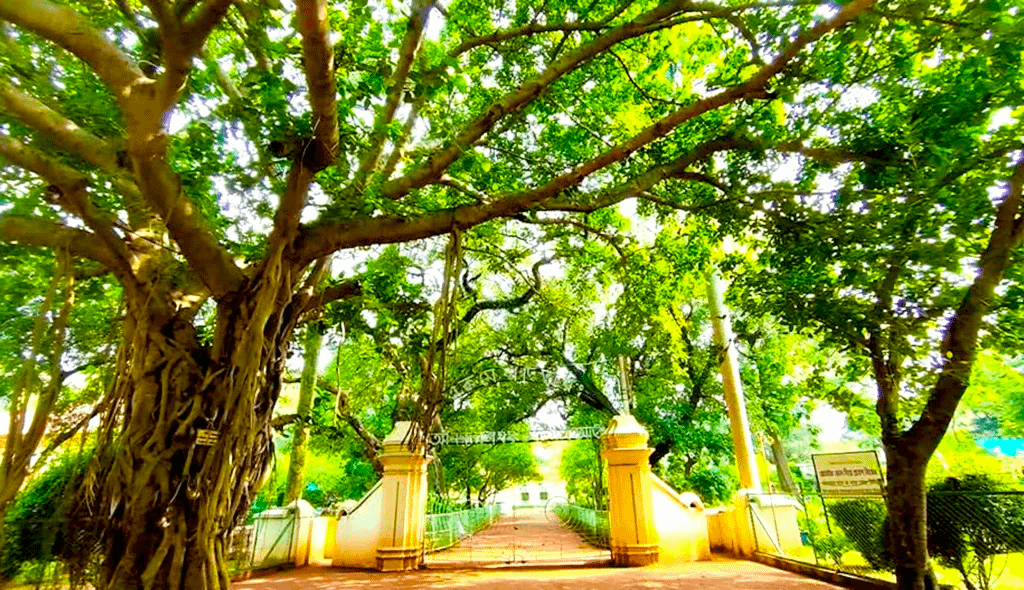
The wider area around Ballavpur and Sriniketan has a distinctly rural character. The combination of trees, red earth, open spaces and traditional crafts gives the visit a very different feel from shopping in a conventional urban store.
Things to Buy at Amar Kutir
If shopping is part of your Santiniketan itinerary, the things to buy at Amar Kutir can range from useful everyday products to decorative pieces.
Some popular categories include:
- Kantha textiles: sarees, stoles, dupattas and other embroidered products
- Leather goods: bags, wallets, purses and accessories
- Dokra: small figurines and decorative metal pieces
- Bamboo and cane: baskets, trays and lifestyle products
- Home décor: handcrafted objects, wall pieces and traditional designs
- Wood and metal craft: figurines, utility products and decorative items
The official Amar Kutir catalogue currently lists these categories and many individual products.
Product availability changes over time. Therefore, do not expect every design shown online to be available at the physical showroom during your visit.
Amar Kutir Visiting Guide for First-Time Travellers
A little planning can make an Amar Kutir visiting guide much more useful than simply arriving, shopping and leaving.
The current official Amar Kutir contact page lists the showroom in Ballavpur, Sriniketan, West Bengal, with working hours of 10 AM to 7 PM daily.
For a comfortable visit, keep the following in mind:
- Plan enough time: Give yourself at least part of an afternoon rather than treating Amar Kutir as a five-minute shopping stop.
- Check current timings: Verify official information before leaving, especially during festivals or holidays.
- Carry a suitable bag: Some handcrafted items may need careful packing.
- Compare craftsmanship: Handmade products can vary in pattern and finish. Take time to look closely.
- Ask about the craft: Learning about the material and technique can make the purchase more meaningful.
- Respect the artisan environment: Remember that the products represent someone’s skill and livelihood.
Best Time to Visit Amar Kutir
Amar Kutir can be included in a Santiniketan trip throughout the year, but the overall travel experience changes with the season.
The cooler months are generally more comfortable for combining shopping with outdoor sightseeing. Winter also coincides with some of Santiniketan’s busiest cultural periods.
During major festivals and fairs, visitor numbers can increase considerably. That can create a lively atmosphere, but travellers looking for a quieter shopping experience may prefer a less crowded day.
The most important point is not to rely on old online opening-hour information. The official Amar Kutir website currently lists its showroom as open daily from 10 AM to 7 PM, but visitors should confirm before travelling.
Amar Kutir and the Wider Santiniketan Craft Culture
One reason Amar Kutir handicrafts remain interesting is that they form part of a much larger craft ecosystem.
Santiniketan and its surrounding villages are known for Kantha, batik, leather work, Dokra, bamboo products, textiles and folk-art traditions. Sonajhuri Haat provides another setting where visitors can experience locally made products and folk culture. This means Amar Kutir should not be viewed in isolation.
A visitor can explore the organised craft collections at Amar Kutir and then experience the more informal atmosphere of local markets. The two experiences are different but complementary.
Nearby Attractions to Combine With Amar Kutir
A visit to Amar Kutir in Santiniketan can easily become part of a wider day trip.
Kopai River in Santiniketan
The Kopai River in Santiniketan is associated with the natural and literary landscape of the region.
The river and its surrounding laterite terrain offer a slower experience after shopping and sightseeing. It is best enjoyed as part of the wider landscape rather than as a conventional tourist attraction.
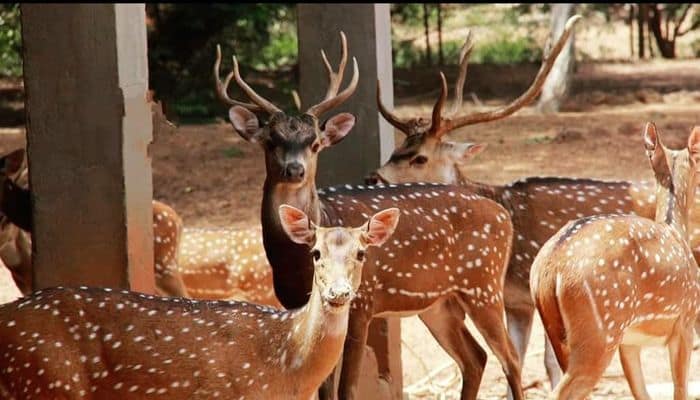
Ballavpur Wildlife Sanctuary
The Ballavpur Wildlife Sanctuary is another option for travellers who want to add nature to their Santiniketan itinerary.
The sanctuary is known for its deer and other wildlife and provides a contrast to the cultural attractions around the university and craft centres.
For families, combining crafts with a nature stop can make the day’s itinerary more varied.
Sonajhuri Haat in Santiniketan
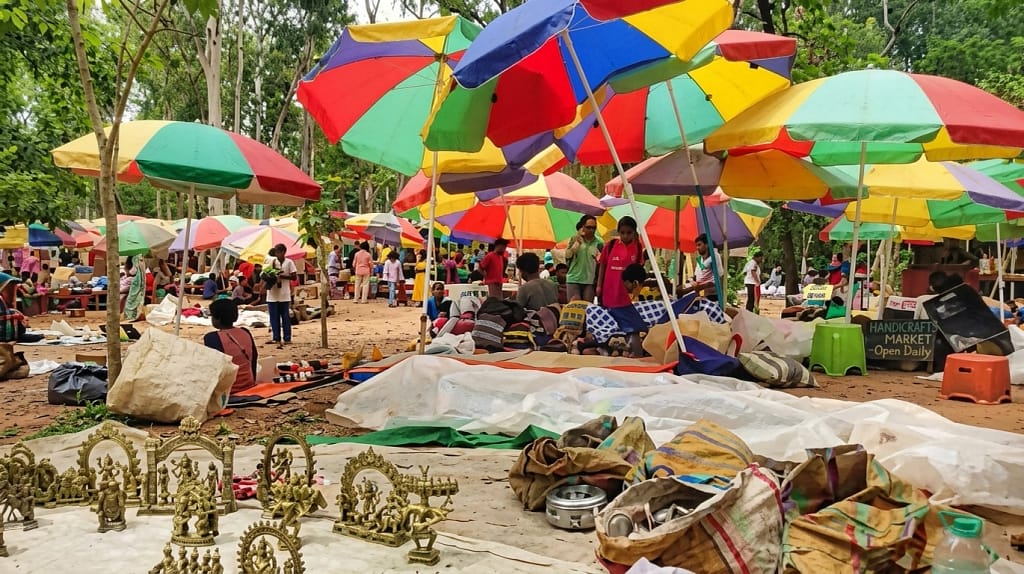
Sonajhuri Haat in Santiniketan is a popular open-air market associated with local crafts and folk culture.
The market is traditionally associated with Saturdays, although operating patterns can vary. Visitors should check local arrangements before making it the central part of their itinerary.
It can be particularly enjoyable for travellers who want to experience the informal side of Santiniketan’s craft culture.
Visva-Bharati University in Santiniketan
For visitors interested in history, art and education, Visva-Bharati University in Santiniketan is an important addition.
The university’s heritage landscape is closely connected with Rabindranath Tagore’s educational vision. Visitor access to heritage areas and organised walks can vary, so current university information should be checked before planning the visit.
This combination of university heritage, rural crafts and nature gives travellers a broader understanding of Santiniketan.
A Simple One-Day Amar Kutir Itinerary
You do not need a packed schedule to explore the area properly.
Start your morning with the cultural attractions of Santiniketan. If current visitor arrangements allow, explore selected heritage areas connected with Visva-Bharati.
After lunch, travel towards Ballavpur and spend time at Amar Kutir. Browse the showroom slowly and explore the different craft categories.
Later, continue towards Sonajhuri or another nearby natural area. If the market is operating, you can include Sonajhuri Haat before returning to your accommodation.
This itinerary leaves enough breathing space. That matters in Santiniketan because the destination is better experienced at a relaxed pace.
Staying Near Amar Kutir and Santiniketan
Accommodation becomes important when you want to combine several attractions without spending too much time travelling between them.
Families may prefer a Family hotel in Santiniketan that offers comfortable rooms, suitable food options and convenient access to local attractions.
Couples and solo travellers may instead prioritise greenery and a quieter setting.
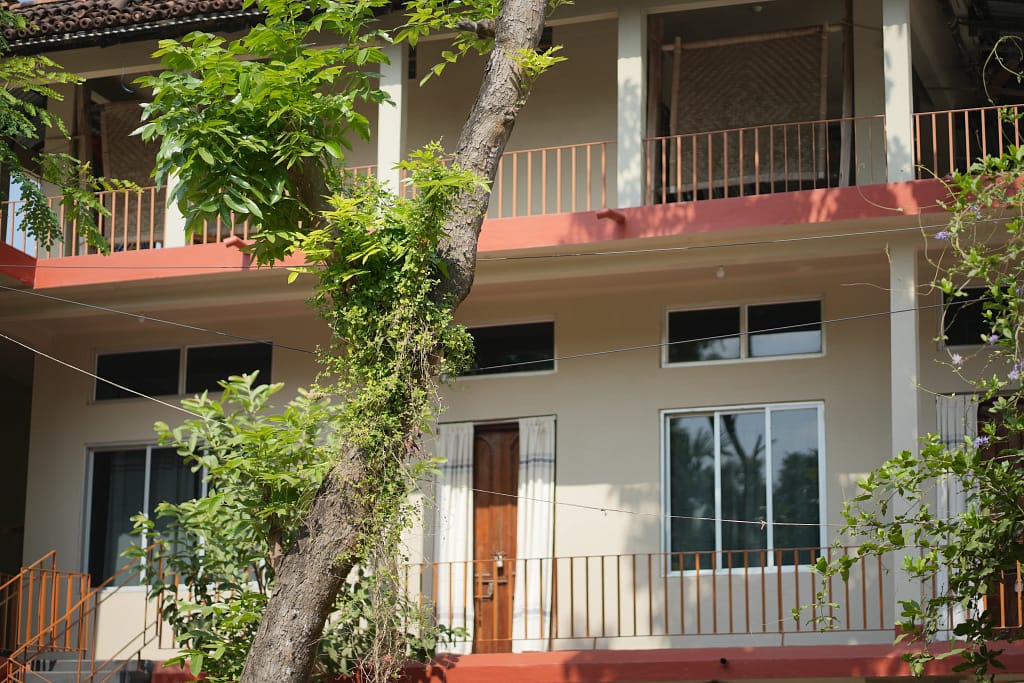
Sonajhuri Atithi Nibas can be considered by travellers looking for a peaceful base around the Sonajhuri Forest and Amar Kutir Road area. The property combines cosy accommodation, Bengali food and a natural setting, making it suitable for travellers who want to explore the cultural side of Bolpur while returning to a quieter environment.
The advantage of choosing a nature-focused stay is simple. You can spend the day exploring crafts and heritage and return to a less crowded setting in the evening.
Responsible Shopping at Amar Kutir
Buying a handmade product can be more meaningful when you understand where it comes from.
Look at the workmanship instead of choosing only by price. Ask about the material when necessary. Handle delicate products carefully. If you are buying textiles, check the stitching and fabric.
Most importantly, remember that handmade crafts represent time, skill and individual labour.
Amar Kutir’s current mission places strong emphasis on artisan empowerment, traditional craftsmanship and sustainable livelihoods.
A thoughtful purchase therefore becomes more than a souvenir. It becomes a small connection with Bengal’s living craft traditions.
Why Amar Kutir Deserves a Place in Your Santiniketan Itinerary
The real appeal of Amar Kutir in Santiniketan lies in the combination of history and living craftsmanship.
Its story begins in the freedom movement. It later developed into an institution centred on rural crafts and livelihoods. Today, visitors can explore a broad collection of handmade products while learning more about the craft traditions of the region. That makes Amar Kutir different from an ordinary shopping destination.
You are not simply looking for something to take home. You are seeing how traditional skills continue to have a place in contemporary life.
Plan Your Santiniketan Stay With Sonajhuri Atithi Nibas
Want to explore Amar Kutir, Sonajhuri, Visva-Bharati and the wider cultural landscape of Bolpur at a comfortable pace?
Sonajhuri Atithi Nibas offers a peaceful base around the Sonajhuri Forest area, with cosy rooms, Bengali food and a natural setting suited to relaxed Santiniketan holidays.
Plan your visit to Amar Kutir, explore Bengal’s living craft traditions and make Sonajhuri Atithi Nibas your comfortable base for discovering Santiniketan.
Conclusion
Amar Kutir in Santiniketan offers a valuable combination of history, craftsmanship and rural culture. Its journey from a freedom-era refuge to a rural-development and handicraft organisation gives the place a deeper significance. Its present-day collections include Kantha, leather, Dokra, bamboo, wood, metal and other handmade products.
For travellers, the best experience comes from combining Amar Kutir with nearby attractions rather than visiting it in isolation. Explore the crafts, understand their context, visit the surrounding cultural sites and leave enough time to enjoy Santiniketan’s natural landscape. If you are planning a Santiniketan trip with family, friends or a partner, Amar Kutir can easily become one of the most memorable stops.
Frequently Asked Questions
1.What is Amar Kutir famous for?
Amar Kutir is known for rural handicrafts, artisan livelihoods and its history linked to India’s freedom movement. Its current collections include Kantha, leather, Dokra, bamboo, wood and other handmade products.
2.What can I buy at Amar Kutir?
Visitors can find Kantha textiles, leather bags and accessories, Dokra items, bamboo and cane products, home décor, wooden crafts and other handmade goods. Product availability changes, so specific designs cannot be guaranteed.
3.What is the history of Amar Kutir?
Amar Kutir was established in the 1920s by freedom activist Sushen Mukherjee. It later evolved into a rural handicraft and development organisation, with the society formally registered in 1978.
4.What are the current Amar Kutir visiting hours?
The official Amar Kutir website currently lists its showroom as open daily from 10 AM to 7 PM. Visitors should check the official website before travelling because schedules can change.
5.Is Amar Kutir suitable for a family visit?
Yes. Amar Kutir can be included in a family Santiniketan itinerary, especially for visitors interested in crafts and local culture. Combine it with nearby attractions and allow enough time for a relaxed visit.
6.How can I include Amar Kutir in a Santiniketan trip?
Amar Kutir can be combined with Visva-Bharati heritage attractions, Sonajhuri Haat and nearby nature spots. Staying in the Sonajhuri or Bolpur area can make it easier to explore several attractions during one trip.